Supporting nurses is our shared responsibility
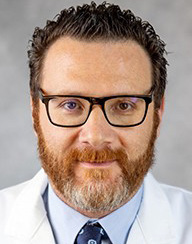
by Chady Sarraf, MD —
In every hospital, clinic and care setting across Sedgwick County, one truth remains constant: Strong physician care depends on strong nursing care. As physicians, we witness daily the critical role nurses play not only in patient outcomes but also in shaping the culture, efficiency and compassion of our healthcare system.
Today, we face a growing challenge that demands immediate attention. The nursing shortage already felt across Kansas and the nation is projected to worsen significantly over the next decade.
According to workforce projections, the United States may face a shortage of 200,000 to 450,000 nurses by 2030, driven by an aging population and a retiring workforce. In Kansas, the situation is equally concerning, with persistent vacancy rates and rural access challenges already straining care delivery.
At the same time, the pipeline is not keeping pace. Nationally, tens of thousands of qualified applicants are turned away from nursing schools each year due to limited faculty, clinical training sites and resources. While interest in nursing careers remains strong, especially after the COVID-19 pandemic, enrollment growth has slowed and, in some regions, even declined. Kansas nursing programs continue to produce excellent graduates, but capacity limitations and faculty shortages restrict expansion at a time when demand is accelerating.
This is not a distant problem; it is a present reality affecting staffing, patient care and the sustainability of our healthcare workforce. If we want Sedgwick County to remain a place of excellence in healthcare, we must act now.
That is why MSSC has taken a proactive step by launching a Physicians-Nurses Task Force, a collaborative effort bringing together physicians, nursing educators, practicing nurses and legislative voices. Our goal is simple yet ambitious: to make Sedgwick County the best place for nurses to work.
A collaborative start
Our inaugural meeting brought together a diverse and committed group:
- Katie Rosell, MD, and myself representing MSSC
- Sandy Pickert, retired nurse and current state legislator from Wichita
- Tonya Loveland, nursing instructor from Butler Community College
- Yashasvi Nidal, nursing instructor from Newman University
- Alex Ambuehl, nursing instructor from Wichita State University
- Bayley Winters, a practicing nurse with Ascension Via Christi (absent)
From the outset, the tone was one of partnership and shared purpose. Nursing leaders expressed strong appreciation that MSSC is taking initiative in this space, recognizing that meaningful change requires physician engagement.
What we heard
The discussion centered on a key question: How can MSSC help make our community more competitive in recruiting and retaining nurses? Several themes emerged:
- Culture matters. Nurses emphasized that respectful, collaborative interactions with physicians are foundational. Courtesy, communication and mutual respect during patient care encounters define workplace experience.
- Early support is critical. Intentionally mentoring and supporting young nurses early in their careers can significantly influence whether they stay and grow within our community.
- Team-based care must be strengthened. A positive, collaborative environment benefits not only staff satisfaction but also patient outcomes.
- Policy has a role. Legislative support can help expand the pipeline by encouraging more students to pursue nursing, and supporting educational infrastructure.
Importantly, the task force agreed that its work will not engage in scope-of-practice debates. Instead, our focus will remain clear: fostering professionalism, strengthening teamwork and building a supportive practice environment for all.
Insights from a WSU nursing student survey reinforced the importance of collaborative practice. To broaden this perspective, Butler Community College and Newman University will conduct additional surveys to ensure a more comprehensive understanding of student needs and expectations.
From discussion to action
Three foundational initiatives were identified to guide our work:
- Recognition: Establish an MSSC award for a nursing student, presented at our annual membership meeting, celebrating excellence and strengthening connections early.
- Educational collaboration: Create opportunities for MSSC physicians to engage with nursing schools through lectures, mentorship and shared learning experiences.
- Culture of respect: Promote a community-wide commitment to treating nurses with respect and supporting their professional growth, starting with our own daily interactions.
These are not symbolic steps; they are practical, actionable measures that can shape the experience of nurses choosing where to train, work and build their careers.
Why MSSC’s role matters
As the leading physician organization in Sedgwick County, MSSC has both influence and responsibility. We are uniquely positioned to bring stakeholders together, model professional conduct, and advocate for a healthcare environment that attracts and retains talent.
Supporting nurses is not separate from our mission; it is central to it. If we succeed, we will not only address workforce shortages but will also strengthen the pipeline, support educational capacity, and create an environment where nurses choose to stay and grow. We will build a more collaborative healthcare system, one where physicians and nurses thrive together, and where patients receive the highest standard of care.
The work has begun. The opportunity is in front of us.
Now is the time to lead.